PUSH BACK
This type of fastening consists of a scroll (commonly known as a butterfly) that is fitted onto a post with double notches to prevent it from slipping off. The stud is a popular and very common fastening for adults and older children (from about 3 years of age). The advantage of the push-back fastening is that it is effortless to put on and take off your earrings.
SCREW BACK
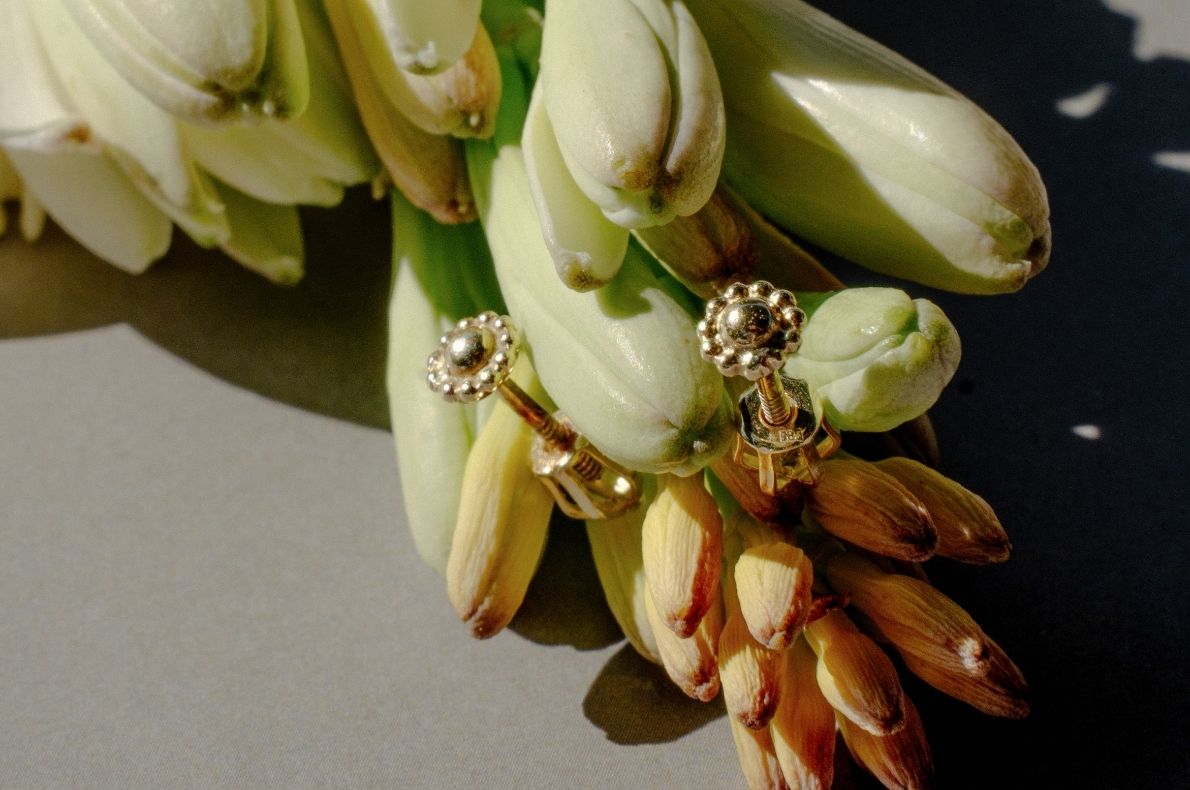
The screw back is comfortable and secure, especially for children's earrings or second and subsequent ear piercings. A ball clasp is screwed onto the post of the earring, which closes the earring firmly and prevents it from falling out.

CREOLES
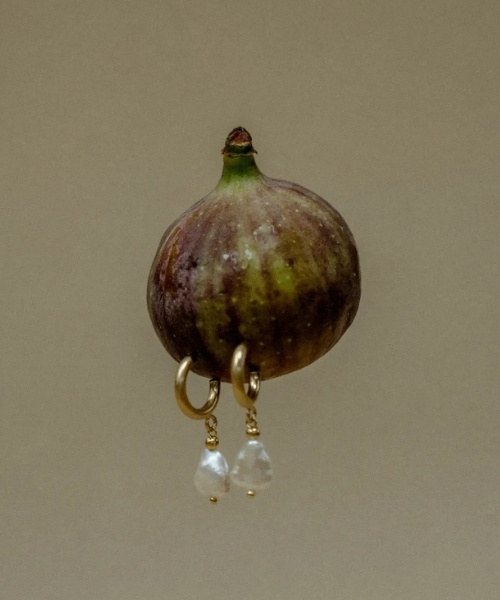
Creoles are a popular and simple way to fasten earrings. They have a circular shape that closes by snapping or sliding into a small lock. This type of fastening is comfortable to wear and suitable for everyday use, and is easy to put on and take off.
LEVERBACK
It is used for dangle earrings and opens behind the ear. The flap ensures a secure fit and usually causes no discomfort even when sleeping. Suitable for older children and adults.
FRONT LOCK
Front lock is the ideal type of closure for children's earrings. The hook is threaded through the back of the piercing and fastened into the eyelet on the front. Suitable for children up to approx. 3 years of age.
HOOK
The hook is a traditional fastening that is threaded through the piercing. The version I use in jewellery is shaped like a circle with a loop (round eyelet) at one end into which the hook is fastened. This type of clasp is popular for its simplicity and stability, although it is usually slightly more delicate than other types of clasps.